

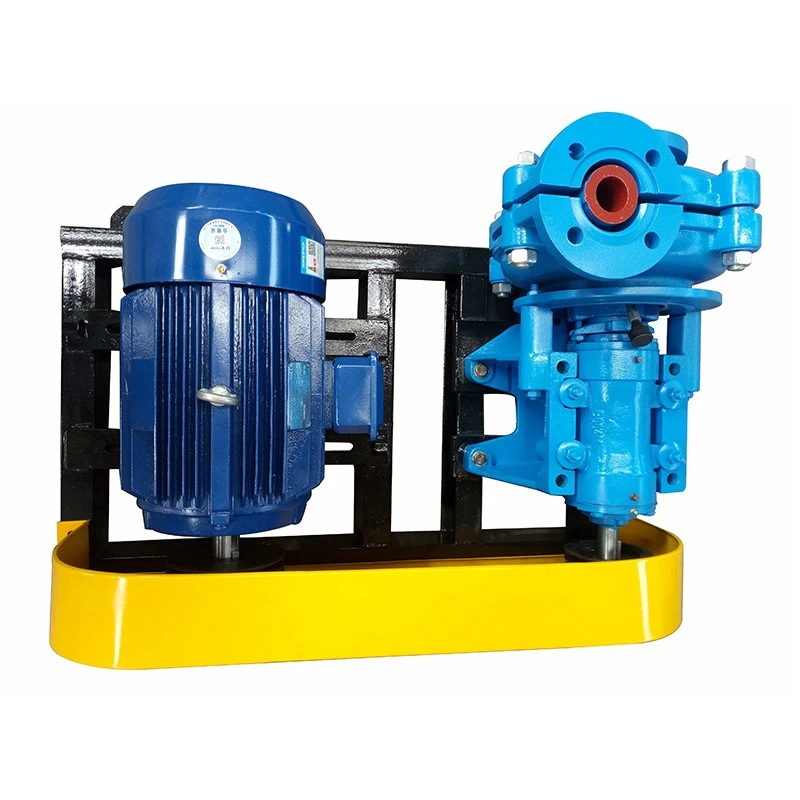
As a supplier of horizontal slurry pumps, I understand the importance of optimizing the performance of these pumps for efficient and reliable operation. Horizontal slurry pumps are widely used in various industries, including mining, construction, and wastewater treatment, to transport abrasive and corrosive slurries. In this blog post, I will share some practical tips on how to adjust the performance of a horizontal slurry pump to ensure it operates at its best.
1. Select the Right Pump for the Application
The first step in optimizing the performance of a horizontal slurry pump is to select the right pump for the specific application. Consider the following factors when choosing a pump:
- Flow Rate and Head: Determine the required flow rate and head based on the application. The flow rate is the volume of slurry that the pump needs to transport per unit of time, while the head is the pressure required to overcome the resistance in the pipeline and lift the slurry to the desired height.
- Slurry Characteristics: Consider the characteristics of the slurry, such as its density, viscosity, particle size, and abrasiveness. These factors will affect the pump's performance and the selection of the appropriate pump materials.
- Operating Conditions: Take into account the operating conditions, such as the temperature, pressure, and pH of the slurry. These conditions can also impact the pump's performance and the choice of materials.
For example, if you are working in a gold mining operation, you may need a Gold Mining Slurry Pump that is specifically designed to handle the abrasive and corrosive nature of gold ore slurries. On the other hand, if you are dealing with industrial river sand, an Industrial River Sand Slurry Pump may be more suitable.
2. Proper Installation and Alignment
Proper installation and alignment of the horizontal slurry pump are crucial for its optimal performance. Follow these guidelines during the installation process:
- Level and Stable Foundation: Ensure that the pump is installed on a level and stable foundation to prevent vibration and misalignment. A vibrating pump can cause premature wear and damage to the pump components.
- Correct Alignment: Align the pump and the motor shaft accurately to minimize vibration and ensure efficient power transmission. Misalignment can lead to increased energy consumption, reduced pump efficiency, and premature bearing failure.
- Proper Pipework Installation: Install the suction and discharge pipes correctly to minimize friction losses and ensure smooth flow of the slurry. Use the appropriate pipe size and avoid sharp bends and elbows in the pipeline.
3. Monitor and Adjust the Pump Speed
The pump speed plays a significant role in determining the pump's performance. By monitoring and adjusting the pump speed, you can optimize the flow rate and head of the pump. Here are some tips for speed adjustment:
- Use a Variable Frequency Drive (VFD): A VFD allows you to control the pump speed by adjusting the frequency of the electrical power supplied to the motor. This enables you to match the pump speed to the actual requirements of the application, resulting in energy savings and improved pump performance.
- Monitor the Pump Performance: Regularly monitor the pump's flow rate, head, and power consumption to determine if the pump is operating at its optimal speed. If the flow rate is too low or the head is too high, you may need to increase the pump speed. Conversely, if the flow rate is too high or the head is too low, you may need to decrease the pump speed.
4. Maintain the Pump Components
Regular maintenance of the pump components is essential for ensuring the long-term performance and reliability of the horizontal slurry pump. Here are some key maintenance tasks:
- Inspect and Replace Wearing Parts: Check the impeller, casing, and other wearing parts regularly for signs of wear and damage. Replace the worn parts promptly to maintain the pump's efficiency and performance.
- Lubricate the Bearings: Proper lubrication of the bearings is crucial for reducing friction and preventing premature bearing failure. Follow the manufacturer's recommendations for lubrication intervals and use the appropriate lubricant.
- Clean the Pump and Pipeline: Periodically clean the pump and the pipeline to remove any accumulated debris and sediment. This will help to prevent blockages and ensure smooth flow of the slurry.
5. Optimize the Slurry Properties
The properties of the slurry can also affect the pump's performance. By optimizing the slurry properties, you can improve the pump's efficiency and reduce wear and tear on the pump components. Here are some ways to optimize the slurry properties:

- Control the Slurry Concentration: Maintain the slurry concentration within the recommended range to prevent excessive wear on the pump components. High slurry concentrations can increase the viscosity and abrasiveness of the slurry, leading to increased energy consumption and premature wear.
- Adjust the Slurry pH: If the slurry is corrosive, adjust the pH of the slurry to a neutral or slightly alkaline level to reduce the corrosion rate of the pump materials.
- Use Chemical Additives: In some cases, the use of chemical additives can help to improve the slurry properties and reduce wear on the pump components. For example, adding a dispersant can help to reduce the viscosity of the slurry and improve its flowability.
6. Train the Operators
Proper training of the operators is essential for ensuring the correct operation and maintenance of the horizontal slurry pump. Provide the operators with comprehensive training on the pump's operation, maintenance, and safety procedures. Here are some key training topics:
- Pump Operation: Train the operators on how to start, stop, and adjust the pump speed correctly. Teach them how to monitor the pump's performance and troubleshoot common problems.
- Maintenance Procedures: Provide the operators with training on the regular maintenance tasks, such as inspection, lubrication, and replacement of wearing parts. Teach them how to perform these tasks safely and effectively.
- Safety Precautions: Emphasize the importance of safety when operating and maintaining the pump. Train the operators on the proper use of personal protective equipment (PPE) and the safety procedures to follow in case of an emergency.
Conclusion
Optimizing the performance of a horizontal slurry pump requires a combination of proper pump selection, installation, maintenance, and operation. By following the tips outlined in this blog post, you can ensure that your horizontal slurry pump operates at its best, providing efficient and reliable performance for your application.
If you are interested in purchasing a high-quality horizontal slurry pump or need further assistance with pump performance optimization, please feel free to contact us for more information. We are committed to providing our customers with the best products and services to meet their specific needs.
References
- "Slurry Pump Handbook" by John C. Dickow
- "Pump User's Handbook: Life Extension" by Igor J. Karassik et al.
- Manufacturer's manuals and technical documents for horizontal slurry pumps.


