

The rotation direction of a pump is a critical factor that can significantly influence its performance. As a supplier of horizontal slurry pumps, I've witnessed firsthand how the correct or incorrect rotation direction can impact the efficiency, reliability, and overall effectiveness of these pumps in various industrial applications. In this blog post, I'll delve into the details of how the pump rotation direction affects its performance and why it matters in the context of horizontal slurry pumps.
Understanding Pump Rotation Direction
Before we discuss the impact of rotation direction, it's essential to understand what it means. The rotation direction of a pump refers to the way the impeller rotates within the pump casing. In most cases, pumps are designed to rotate in a specific direction, either clockwise (CW) or counterclockwise (CCW) when viewed from the drive end. This design is based on the pump's hydraulic characteristics, such as the shape of the impeller vanes and the volute casing, which are optimized for a particular rotation direction to achieve the best performance.
Impact on Hydraulic Performance
The rotation direction of a pump has a direct impact on its hydraulic performance, which includes parameters such as flow rate, head, and efficiency. When a pump rotates in the correct direction, the impeller vanes are designed to impart energy to the fluid in a way that maximizes the flow rate and head. The fluid is drawn into the impeller eye and then accelerated radially outward by the rotating vanes, creating a high-velocity flow that is then converted into pressure energy in the volute casing.
However, if the pump rotates in the wrong direction, the hydraulic performance can be severely compromised. The impeller vanes may not be able to impart energy to the fluid effectively, resulting in a reduced flow rate and head. In some cases, the pump may even fail to generate enough pressure to overcome the system resistance, leading to a complete loss of flow. Additionally, the efficiency of the pump may decrease significantly, as the wrong rotation direction can cause increased turbulence and energy losses within the pump casing.
Impact on Mechanical Performance
In addition to its impact on hydraulic performance, the rotation direction of a pump can also affect its mechanical performance. When a pump rotates in the correct direction, the forces acting on the impeller and other rotating components are balanced, which helps to minimize vibration and wear. The bearings and seals are also designed to operate under specific load conditions, and the correct rotation direction ensures that these components are subjected to the appropriate forces.

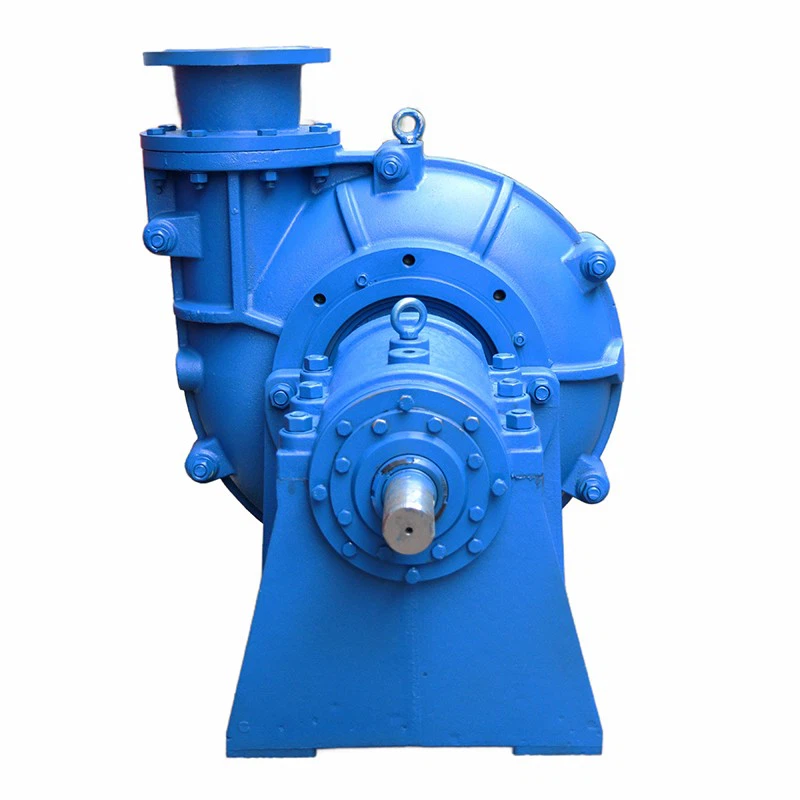
On the other hand, if the pump rotates in the wrong direction, the forces acting on the impeller and other rotating components can become unbalanced, leading to increased vibration and wear. This can cause premature failure of the bearings, seals, and other components, resulting in costly repairs and downtime. Additionally, the wrong rotation direction can cause the impeller to rub against the pump casing, which can damage the impeller and reduce its efficiency.
Impact on Slurry Handling
For horizontal slurry pumps, which are specifically designed to handle abrasive and corrosive slurries, the rotation direction is even more critical. Slurry pumps are typically used in applications such as mining, dredging, and wastewater treatment, where the handling of abrasive particles is a major challenge. The correct rotation direction ensures that the impeller vanes are able to effectively move the slurry through the pump, preventing the buildup of solids and reducing the risk of clogging.
If the pump rotates in the wrong direction, the impeller vanes may not be able to move the slurry effectively, leading to the accumulation of solids in the pump casing. This can cause increased wear on the impeller and other components, as well as reduced flow rate and head. In some cases, the buildup of solids can even cause the pump to become completely blocked, requiring manual intervention to clear the blockage.
Importance of Correct Rotation Direction in Horizontal Slurry Pumps
As a supplier of horizontal slurry pumps, I understand the importance of ensuring that our pumps are installed and operated with the correct rotation direction. We provide detailed installation and operation manuals with our pumps, which include clear instructions on how to determine the correct rotation direction and how to make any necessary adjustments. Additionally, our technical support team is always available to assist customers with any questions or concerns they may have regarding the rotation direction of their pumps.
In addition to providing accurate information and support, we also offer a range of high-quality horizontal slurry pumps that are designed to operate efficiently and reliably in a variety of applications. Our Cantilever Horizontal Centrifugal Slurry Pump is a popular choice for many customers, thanks to its robust design and excellent hydraulic performance. This pump is suitable for handling a wide range of slurries, including those with high concentrations of abrasive particles.
Another product in our portfolio is the Ceramic Slurry Pump, which is specifically designed for applications where high wear resistance is required. The ceramic lining of this pump provides excellent protection against abrasion and corrosion, ensuring a long service life and reduced maintenance costs.
For customers in the gold mining industry, we offer the Gold Mining Slurry Pump, which is optimized for the handling of gold-bearing slurries. This pump is designed to operate efficiently in harsh mining environments, providing reliable performance and high productivity.
Conclusion
In conclusion, the rotation direction of a pump is a critical factor that can have a significant impact on its performance. As a supplier of horizontal slurry pumps, we understand the importance of ensuring that our pumps are installed and operated with the correct rotation direction. By providing accurate information, high-quality products, and excellent technical support, we help our customers to achieve optimal performance and reliability from their pumps.
If you're in the market for a horizontal slurry pump or have any questions about the rotation direction or performance of our pumps, please don't hesitate to contact us. Our team of experts is ready to assist you with your specific needs and help you find the right solution for your application.
References
- Karassik, I. J., Messina, J. P., Cooper, P. T., & Heald, C. C. (2008). Pump Handbook. McGraw-Hill Professional.
- Stepanoff, A. J. (1957). Centrifugal and Axial Flow Pumps: Theory, Design, and Application. Wiley.
- Gulich, J. F. (2010). Centrifugal Pumps. Springer.


