

When it comes to small slurry pumps, one of the most frequently asked questions is: What is the maximum flow rate of a small slurry pump? As a dedicated small slurry pump supplier, I'm here to shed light on this crucial topic, providing you with in - depth insights and practical knowledge.
Understanding Small Slurry Pumps
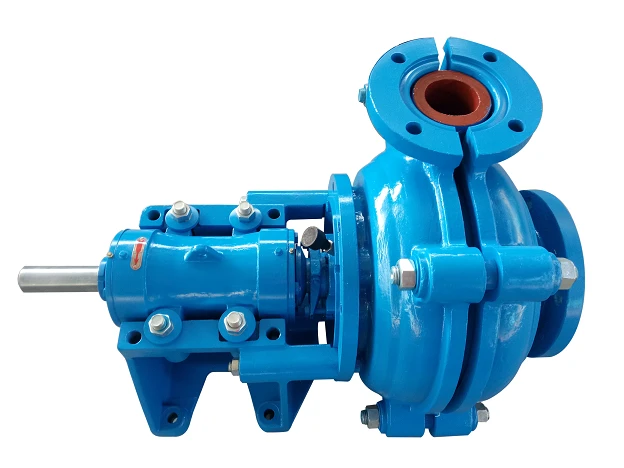
Before delving into the maximum flow rate, let's briefly understand what small slurry pumps are. Small slurry pumps are designed to handle abrasive and high - density slurries in various industrial applications, such as mining, construction, and wastewater treatment. These pumps are characterized by their compact size, which makes them suitable for operations with limited space or where portability is required.
The performance of a small slurry pump is determined by several factors, including its design, impeller size, power input, and the properties of the slurry being pumped. The maximum flow rate is a key performance indicator that reflects the pump's ability to move a large volume of slurry within a given time frame.
Factors Affecting the Maximum Flow Rate
- Pump Design: The design of the small slurry pump plays a significant role in determining its maximum flow rate. Centrifugal slurry pumps, which are the most common type of small slurry pumps, rely on the rotation of an impeller to generate centrifugal force and move the slurry. The shape, size, and number of vanes on the impeller can affect the pump's efficiency and flow rate. A well - designed impeller with optimized vane geometry can increase the flow rate by reducing hydraulic losses and improving the transfer of energy from the impeller to the slurry.
- Power Input: The power input to the pump motor is directly related to the pump's flow rate. Generally, a higher - power motor can drive the impeller at a higher speed, resulting in a greater flow rate. However, it's important to note that increasing the power input also increases the energy consumption of the pump. Therefore, a balance needs to be struck between the desired flow rate and the energy efficiency of the pump.
- Slurry Properties: The properties of the slurry, such as its density, viscosity, and particle size, can have a significant impact on the pump's flow rate. Slurries with higher densities and viscosities require more energy to pump, which can reduce the flow rate. Similarly, slurries containing large or abrasive particles can cause wear and damage to the pump components, leading to a decrease in flow rate over time.
Typical Maximum Flow Rates of Small Slurry Pumps
The maximum flow rate of small slurry pumps can vary widely depending on the specific model and application. In general, small slurry pumps can have maximum flow rates ranging from a few cubic meters per hour to several tens of cubic meters per hour.
For example, some of our Pipeline Transport Pump Slurry models are designed for efficient pipeline transportation of slurries. These pumps can achieve relatively high flow rates, typically in the range of 10 - 50 cubic meters per hour, depending on the pump size and power.
Our Sand Mud Slurry Pump is specifically designed for handling sand and mud slurries. With its optimized impeller design and high - power motor, this pump can reach a maximum flow rate of up to 30 cubic meters per hour, making it suitable for applications such as sand dredging and mud removal.
The High Lift Gravel Pump is another type of small slurry pump in our product line. This pump is capable of handling gravel - laden slurries and can achieve a maximum flow rate of around 20 - 40 cubic meters per hour, depending on the pump configuration and the properties of the slurry.
Measuring and Optimizing the Flow Rate
To ensure that the small slurry pump is operating at its maximum flow rate, it's important to measure and monitor the flow rate regularly. There are several methods for measuring the flow rate of a slurry pump, including using flow meters, such as electromagnetic flow meters or ultrasonic flow meters.
Once the flow rate is measured, steps can be taken to optimize it. This may involve adjusting the pump speed, changing the impeller size or design, or modifying the slurry properties. For example, if the flow rate is lower than expected, increasing the pump speed or replacing the impeller with a larger one may increase the flow rate. However, these adjustments should be made carefully to avoid overloading the pump or causing excessive wear on the components.
Applications and the Importance of Flow Rate
The maximum flow rate of a small slurry pump is crucial in various applications. In mining operations, for example, small slurry pumps are used to transport ore slurries from the mine to the processing plant. A high - flow - rate pump can increase the efficiency of the ore transportation process, reducing the time and cost required to move large volumes of slurry.
In construction projects, small slurry pumps are used for dewatering and mud pumping. A pump with a sufficient flow rate can quickly remove water and mud from excavation sites, ensuring a safe and dry working environment.
In wastewater treatment plants, small slurry pumps are used to transfer sludge and other waste materials. A high - flow - rate pump can handle large volumes of sludge, improving the overall efficiency of the treatment process.

Conclusion
In conclusion, the maximum flow rate of a small slurry pump is determined by a variety of factors, including the pump design, power input, and slurry properties. As a small slurry pump supplier, we offer a range of pumps with different maximum flow rates to meet the diverse needs of our customers. Whether you need a Pipeline Transport Pump Slurry, a Sand Mud Slurry Pump, or a High Lift Gravel Pump, we can provide you with the right solution.
If you're interested in learning more about our small slurry pumps or have specific requirements regarding the flow rate, we encourage you to contact us for a detailed consultation. Our team of experts is ready to assist you in selecting the most suitable pump for your application and ensuring its optimal performance.
References
- "Slurry Pump Technology and Applications" by Smith, J. (2018)
- "Handbook of Centrifugal Pumps" by Karassik, I. J., et al. (2008)
- Industry reports on small slurry pump performance and applications.


