

Hey there! As a supplier of split casing water pumps, I've seen firsthand the headaches that cavitation can cause. Cavitation is like the silent enemy of water pumps, slowly but surely wearing them down and reducing their efficiency. In this blog, I'll share some tips on how to prevent cavitation in a split casing water pump.
What is Cavitation?
Before we dive into prevention methods, let's quickly understand what cavitation is. Cavitation occurs when the pressure of the liquid in the pump drops below its vapor pressure, causing vapor bubbles to form. These bubbles then collapse when they reach a region of higher pressure, creating shockwaves that can damage the pump's impeller, casing, and other components. Over time, this can lead to reduced pump performance, increased energy consumption, and even pump failure.
How to Prevent Cavitation
1. Proper Pump Selection
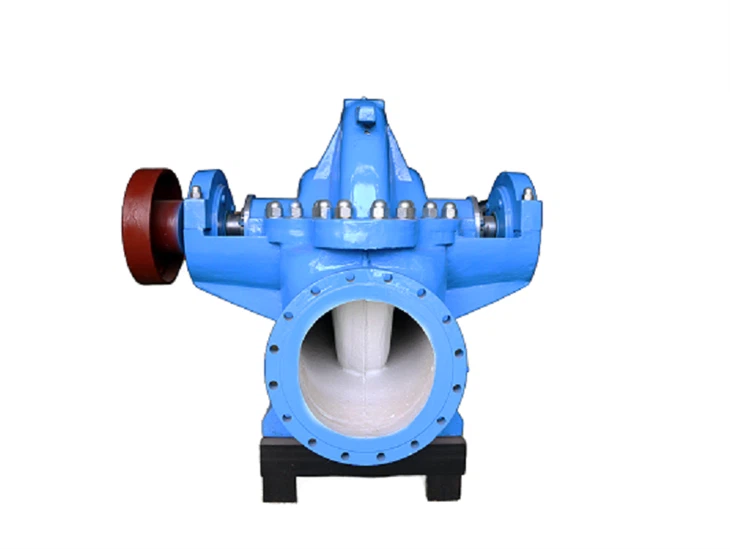
The first step in preventing cavitation is to select the right pump for your application. When choosing a split casing water pump, you need to consider factors such as flow rate, head, and the characteristics of the fluid being pumped. Make sure the pump's performance curve matches your system requirements. If you're not sure which pump is best for you, you can check out our High Pressure Double Suction Split Pump, Big Capacity Split Casing Water Pump, or High Performance Split Case Pump for some great options.
2. Maintain Adequate NPSH (Net Positive Suction Head)
NPSH is a critical factor in preventing cavitation. It's the difference between the absolute pressure at the pump suction and the vapor pressure of the liquid. To prevent cavitation, you need to ensure that the available NPSH (NPSHa) is greater than the required NPSH (NPSHr) specified by the pump manufacturer. You can increase the NPSHa by raising the liquid level in the suction tank, reducing the friction losses in the suction piping, or using a booster pump.
3. Check and Maintain the Suction Piping
The suction piping plays a crucial role in preventing cavitation. Make sure the piping is properly sized and installed to minimize friction losses and avoid air entrainment. The suction pipe should be as short and straight as possible, with a minimum number of bends, elbows, and valves. Also, check for any leaks or blockages in the suction piping regularly.
4. Monitor the Pump Operation
Regular monitoring of the pump operation can help you detect early signs of cavitation. Pay attention to the pump's performance parameters such as flow rate, head, power consumption, and vibration. If you notice any sudden changes in these parameters, it could be a sign of cavitation. You can use a vibration analyzer or a pressure gauge to monitor the pump's operation more accurately.
5. Use Anti-Cavitation Devices
In some cases, you may need to use anti-cavitation devices to prevent cavitation. These devices can help to increase the pressure at the pump suction or reduce the formation of vapor bubbles. Some common anti-cavitation devices include suction diffusers, vortex breakers, and inducer impellers.

6. Keep the Pump Clean
A dirty pump can also contribute to cavitation. Make sure to keep the pump and its components clean to prevent the buildup of dirt, debris, and corrosion. Regularly clean the impeller, casing, and suction strainer to ensure smooth flow of the liquid through the pump.
7. Train the Operators
Proper training of the pump operators is essential for preventing cavitation. Make sure the operators understand the importance of preventing cavitation and know how to operate the pump correctly. They should also be able to recognize the signs of cavitation and take appropriate action if necessary.
Conclusion
Cavitation can be a major problem for split casing water pumps, but it can be prevented with the right approach. By following the tips outlined in this blog, you can ensure that your pump operates efficiently and reliably for a long time. If you have any questions or need further assistance with your split casing water pump, feel free to contact us. We're here to help you find the best solution for your pumping needs.
References
- Pump Handbook, Karassik et al.
- Hydraulic Institute Standards


