

When it comes to handling abrasive and corrosive slurries in industrial applications, slurry pumps play a crucial role. Among the various types of slurry pumps available, open impeller slurry pumps and closed impeller slurry pumps are two common choices. As a supplier of Open Impeller Slurry Pump, I'd like to share some insights into the differences between these two types of pumps to help you make an informed decision for your specific needs.
Structural Differences
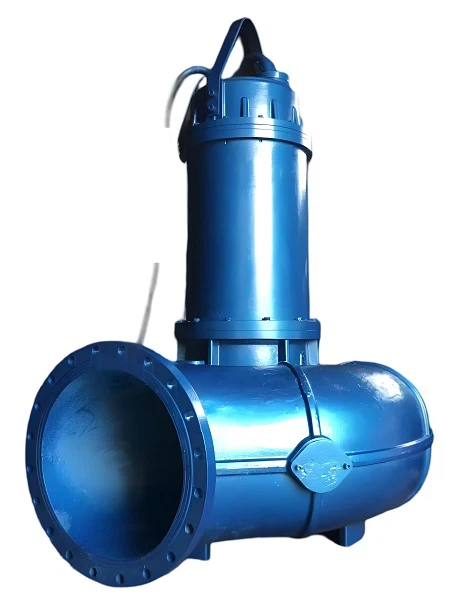
The most obvious difference between an open impeller slurry pump and a closed impeller slurry pump lies in their impeller design. An open impeller consists of vanes attached directly to a hub without any side shrouds. This design allows for a more open flow path, which is beneficial for handling slurries with large particles or high concentrations of solids. On the other hand, a closed impeller has vanes enclosed between two shrouds, creating a more confined flow path. This design provides better efficiency and higher head capabilities but is more susceptible to clogging when dealing with large particles.

Performance Characteristics
Flow Capacity
Open impeller slurry pumps generally have a higher flow capacity compared to closed impeller pumps. The open design of the impeller allows for a larger passage for the slurry to flow through, reducing the risk of blockages and enabling the pump to handle higher volumes of fluid. This makes open impeller pumps ideal for applications where large quantities of slurry need to be moved quickly, such as in mining operations or wastewater treatment plants.
Head and Efficiency
Closed impeller slurry pumps are known for their higher head capabilities and better efficiency. The enclosed design of the impeller helps to direct the flow of the slurry more effectively, resulting in a higher pressure output. This makes closed impeller pumps suitable for applications where the slurry needs to be pumped over long distances or to higher elevations. However, the efficiency of a closed impeller pump can be significantly affected by the size and concentration of the solids in the slurry. If the particles are too large or the concentration is too high, the pump may experience increased wear and reduced efficiency.
Particle Handling
One of the key advantages of open impeller slurry pumps is their ability to handle large particles and high concentrations of solids. The open design of the impeller allows for a more forgiving flow path, reducing the risk of clogging and damage to the pump. This makes open impeller pumps well-suited for applications where the slurry contains abrasive or fibrous materials, such as in the mining, dredging, and chemical industries. In contrast, closed impeller pumps are more sensitive to particle size and concentration and may require additional screening or filtration to prevent clogging.
Wear Resistance
Both open and closed impeller slurry pumps are designed to withstand the abrasive nature of slurries, but they have different wear characteristics. Open impeller pumps are generally more resistant to wear on the impeller vanes because the open design allows for better access to the vanes for inspection and maintenance. However, the open design also exposes the impeller to more direct contact with the slurry, which can lead to increased wear on the hub and other components. Closed impeller pumps, on the other hand, are more protected from direct contact with the slurry, but the enclosed design can make it more difficult to inspect and maintain the impeller.
Maintenance Requirements
Inspection and Cleaning
Open impeller slurry pumps are relatively easy to inspect and clean because the impeller is accessible from the outside of the pump. This allows for quick and easy removal of any debris or blockages that may accumulate on the impeller vanes. Closed impeller pumps, on the other hand, require more disassembly to access the impeller, which can be time-consuming and labor-intensive.
Replacement Parts
In terms of replacement parts, open impeller slurry pumps are generally less expensive to maintain because the impeller is a simpler design and requires fewer components. Closed impeller pumps, on the other hand, may require more expensive replacement parts, such as the impeller shrouds and seals, which can increase the overall cost of maintenance.
Applications
Open Impeller Slurry Pumps
Open impeller slurry pumps are commonly used in applications where the slurry contains large particles or high concentrations of solids. Some common applications include:
- Mining: Open impeller pumps are widely used in mining operations for transporting abrasive slurries, such as coal, copper, and gold. The ability to handle large particles and high concentrations of solids makes these pumps ideal for use in ore processing plants, tailings disposal systems, and dredging operations.
- Dredging: Open impeller pumps are also commonly used in dredging applications for removing sediment and debris from waterways. The high flow capacity and particle handling capabilities of these pumps make them well-suited for use in dredging vessels and pipeline systems.
- Wastewater Treatment: Open impeller pumps are used in wastewater treatment plants for transporting sewage and sludge. The ability to handle large particles and fibrous materials makes these pumps ideal for use in applications where the slurry contains high concentrations of solids.
Closed Impeller Slurry Pumps
Closed impeller slurry pumps are commonly used in applications where high head and efficiency are required. Some common applications include:
- Chemical Processing: Closed impeller pumps are used in chemical processing plants for transporting corrosive and abrasive slurries. The high head capabilities and efficiency of these pumps make them well-suited for use in applications where the slurry needs to be pumped over long distances or to higher elevations.
- Power Generation: Closed impeller pumps are used in power generation plants for transporting coal slurry and other abrasive materials. The high head capabilities and efficiency of these pumps make them ideal for use in applications where the slurry needs to be pumped to boilers or other processing equipment.
- Oil and Gas: Closed impeller pumps are used in the oil and gas industry for transporting drilling mud and other abrasive fluids. The high head capabilities and efficiency of these pumps make them well-suited for use in applications where the slurry needs to be pumped to high pressures and over long distances.
Conclusion
In conclusion, the choice between an open impeller slurry pump and a closed impeller slurry pump depends on a variety of factors, including the characteristics of the slurry, the required flow capacity, head, and efficiency, and the maintenance requirements. As a supplier of Open Impeller Slurry Pump, I recommend considering an open impeller pump if you need to handle large particles or high concentrations of solids. However, if you require high head and efficiency, a closed impeller pump may be a better choice.
If you have any questions or need further information about our open impeller slurry pumps or other products, such as Vertical Slurry Sump Pump and Vertical Mining Slurry Pump, please feel free to contact us. Our team of experts is always ready to assist you in selecting the right pump for your specific application and to provide you with the best possible service and support.
References
- "Slurry Pump Handbook" by Warman International Limited
- "Pump Handbook" by Igor J. Karassik et al.
- "Centrifugal Pumps: Design and Application" by Heinz P. Bloch and Allan R. Budris


