

Hey there! As a supplier of Open Impeller Slurry Pumps, I often get asked about the flow rate range of these pumps. So, I thought I'd write this blog post to shed some light on the topic.
First off, let's talk a bit about what an Open Impeller Slurry Pump is. These pumps are designed to handle abrasive and corrosive slurries in various industries like mining, power generation, and chemical processing. The open impeller design allows for better handling of large particles and solids, making it a popular choice for applications where clogging is a concern.
Now, onto the flow rate range. The flow rate of an Open Impeller Slurry Pump can vary widely depending on several factors, such as the pump size, impeller diameter, rotational speed, and the characteristics of the slurry being pumped.
Typically, smaller Open Impeller Slurry Pumps can have a flow rate starting from as low as 10 cubic meters per hour (m³/h). These pumps are often used in applications where the volume of slurry is relatively small, like in some small-scale mining operations or in certain chemical dosing systems.
On the other hand, larger industrial-grade Open Impeller Slurry Pumps can reach flow rates of up to 5000 m³/h or even higher in some cases. These big pumps are commonly used in large mining operations, where massive amounts of slurry need to be moved from one place to another, such as from a mine pit to a processing plant.
The impeller diameter plays a crucial role in determining the flow rate. Generally, a larger impeller diameter can result in a higher flow rate. For example, a pump with a small impeller diameter of around 200 mm might have a relatively lower flow rate, while a pump with an impeller diameter of 800 mm or more can handle much larger volumes of slurry.
The rotational speed of the pump also affects the flow rate. A higher rotational speed usually means a higher flow rate. However, it's important to note that increasing the rotational speed too much can also cause more wear and tear on the pump components, especially in abrasive slurry applications. So, there's a balance that needs to be struck between achieving the desired flow rate and ensuring the long - term durability of the pump.
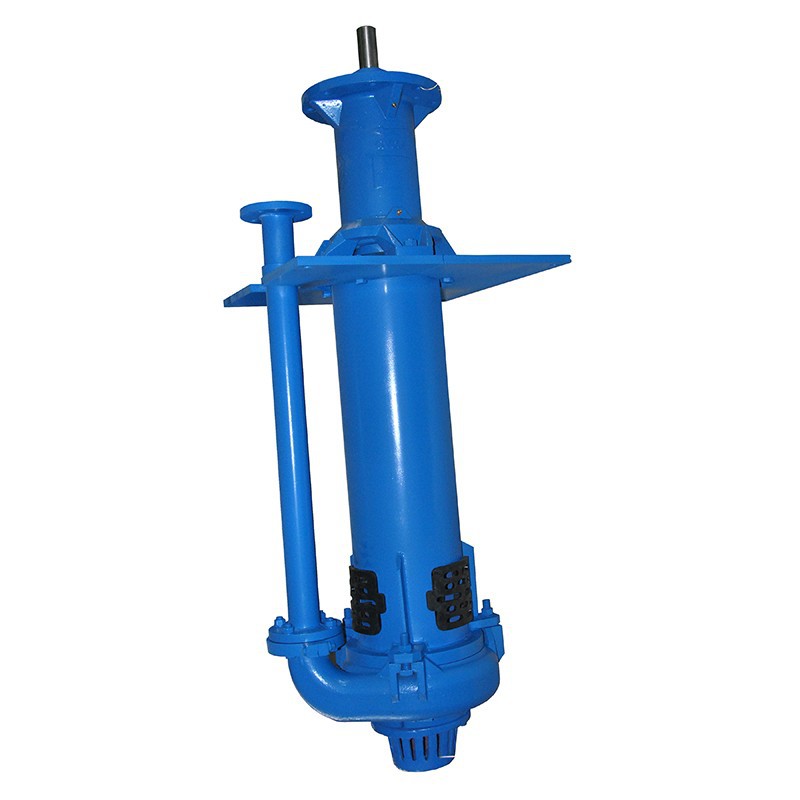

The characteristics of the slurry, such as its density, viscosity, and the size and concentration of the solid particles, also impact the flow rate. A slurry with a high density or viscosity will require more energy to pump, and this can limit the achievable flow rate. Similarly, if the slurry has a high concentration of large solid particles, it can cause more resistance in the pump, reducing the flow rate.
Let's take a look at some real - world examples to better understand the flow rate range. In a gold mining operation, where the slurry mainly consists of fine gold particles and water, a medium - sized Open Impeller Slurry Pump might be used. This pump could have a flow rate in the range of 100 - 500 m³/h, depending on the size of the operation and the distance the slurry needs to be transported.
In a coal - fired power plant, where the slurry is a mixture of coal ash and water, larger pumps with flow rates of 1000 - 3000 m³/h might be employed to move the slurry from the ash collection area to the disposal site.
If you're in the market for an Open Impeller Slurry Pump, it's essential to choose the right pump with the appropriate flow rate for your specific application. You can check out our Open Impeller Slurry Pump page on our website to learn more about the different models and their flow rate capabilities.
We also offer other types of slurry pumps that might be suitable for your needs. For example, our Vertical Mining Slurry Pump is a great option for mining applications, especially when you need to pump slurry from a sump or a pit. And if you're dealing with corrosive slurries, our Corrosion Resistance Vertical Pump can provide the durability and performance you need.
If you're interested in purchasing an Open Impeller Slurry Pump or any of our other pumps, don't hesitate to get in touch with us. We have a team of experts who can help you select the right pump based on your specific requirements and provide you with all the necessary technical support. Whether you need a pump for a small - scale project or a large industrial application, we've got you covered.
In conclusion, the flow rate range of an Open Impeller Slurry Pump can vary from as low as 10 m³/h to over 5000 m³/h, depending on multiple factors. By understanding these factors and choosing the right pump, you can ensure efficient and reliable slurry pumping in your operation.
References:
- "Slurry Pump Technology Handbook" by various industry experts
- Technical documents from pump manufacturers and industry associations


