When it comes to end-suction slurry pumps, their single casing design provides several benefits. This design allows for easy installation and maintenance, reducing downtime and increasing operational efficiency. Additionally, the ability to handle large-sized particles makes end-suction pumps ideal for applications where the slurry contains solid materials.
On the other hand, split-case slurry pumps offer distinct advantages in industrial processes that involve large volumes of abrasive slurries. The split-case design allows for easy access to the impeller and other internal components, simplifying maintenance and reducing the time required for repairs. Furthermore, the ability to accommodate larger impellers enables these pumps to handle higher flow rates, making them suitable for applications that require efficient transportation of large volumes of slurry.
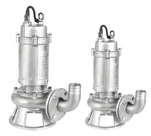
Submersible slurry pumps, as the name suggests, are designed to operate underwater. This feature makes them highly versatile and suitable for a wide range of applications. In mining and construction sites, these pumps are commonly used for dewatering pits, removing excess water from excavation areas, and handling abrasive slurries. The ability to operate underwater also minimizes the risk of pump cavitation, ensuring reliable and efficient performance.
It is important for industries to understand the unique features and advantages of each type of horizontal slurry pump. By doing so, they can make informed decisions when selecting a pump that best suits their specific application requirements. Factors such as flow rate, pressure, particle size, and the nature of the slurry should be carefully considered to ensure optimal pump performance and longevity. Furthermore, industries should also consider factors such as energy efficiency, reliability, and ease of maintenance when choosing a horizontal slurry pump.