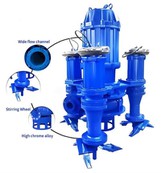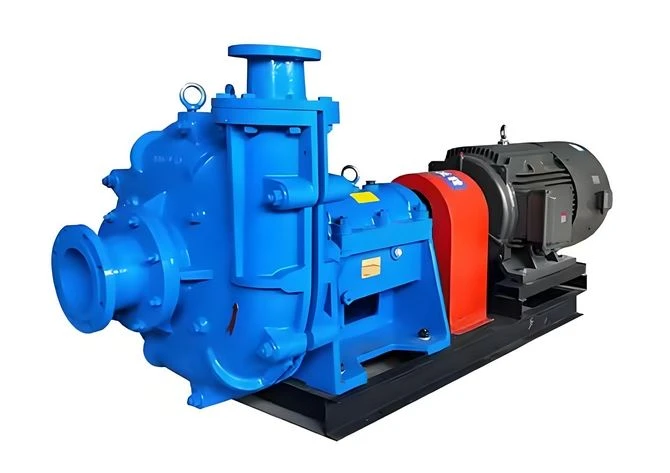


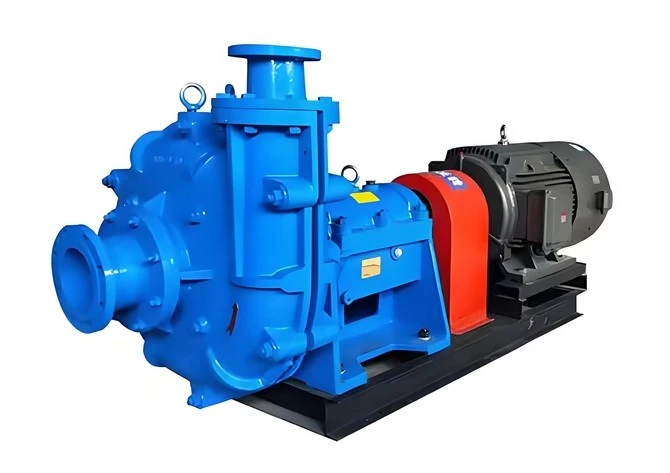
Been wrenching on Slurry Mud Pump for going on twenty-two years now. Started out as a millwright apprentice at a copper concentrator in Arizona back in the early 2000s - old man Jenkins took me under his wing and showed me what a worn-out throatbush sounds like before you ever pull the cover. Did a stint on a cutter-suction dredge on the lower Mississippi after that, then spent some years at a coal prep plant in West Virginia before going independent. These days I do consulting work for smaller mining and aggregate outfits that don't have their own engineering departments.
So when folks ask me about slurry pumps, I tell them what I've actually seen on the shop floor. Not catalog talk. Here's the rundown.
So What Is a Slurry Mud Pump Anyway
Strip away the fancy talk and it's just a centrifugal pump built tough enough to handle dirty, gritty, abrasive stuff. Water pumps move water. Slurry pumps move water that's got sand, mud, ore, ash, coal, or whatever else mixed into it. Casings are thicker, impellers are heavier, bearings are bigger, and pretty much every part is overbuilt because the alternative is rebuilding the thing every other week.
Put sand-water slurry through a regular pump and you'll find out real quick why slurry pumps exist. Had a contractor at a job site in Nevada try to use a trash pump on tailings once. Lasted about four days before the impeller looked like Swiss cheese. He learned.
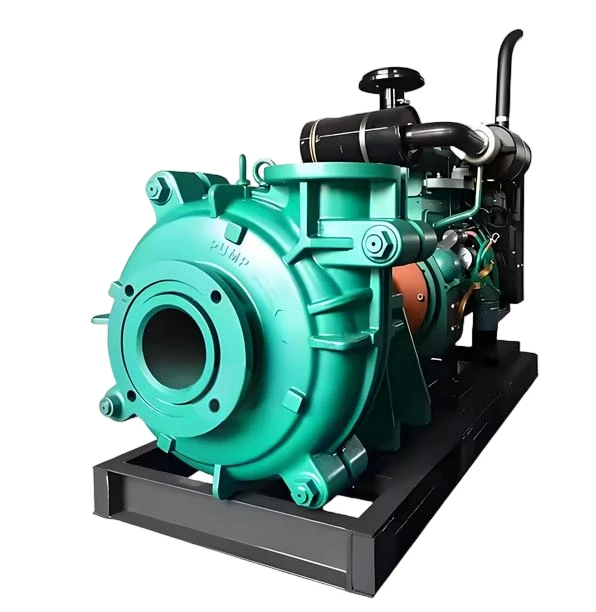
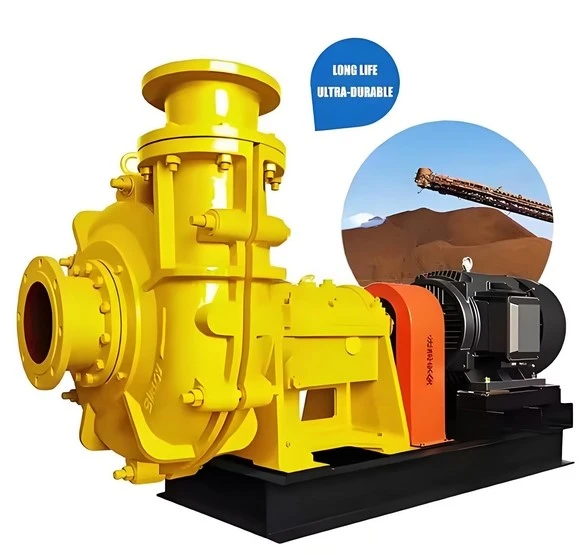
Where You'll Find Them
Pretty much anywhere there's nasty stuff that needs moving:
Mines - mill discharge, cyclone feed, tailings lines, concentrate handling
Coal prep plants - slurry, flotation tails, magnetite media circuits
Power plants - fly ash sluicing, bottom ash, FGD limestone
Dredging - rivers, harbors, ponds, settling lagoons
Steel mills - mill scale pits, descale water
Frac sand operations
Sewage plants - sludge, grit removal
Chemical plants - crystallizers, catalyst handling
Different jobs need different pumps. There's no universal answer no matter what the sales rep tells you over lunch.
The Different Flavors
Slurry Mud Pump Horizontal pumps. The classic AH-style pump and all the knockoffs that came after the original patent ran out. Big, heavy, sits on a baseplate, belt-driven usually. Most plants live or die by these.
Vertical sump pumps. Hang down into a pit from up top. Motor stays dry, shaft runs down through a column to the wet end. Handy when you don't want to dig a foundation or fight with suction lift problems.
Submersibles. Whole unit drops into the sump, motor and all, sealed up tight. Convenient as hell - that's the selling point. But those motor seals are always going to be your weak spot. Trade-off.
Multistage high-pressure jobs. When you've got to push tailings up a hill or across a few kilometers. Specialty stuff, and not cheap.
Froth pumps. For flotation circuits. Got a special design - usually a tank or hopper feed - because air bubbles will kill a regular pump's prime in seconds. Saw a plant lose three days of production once because somebody put a standard AH on a flotation duty. Cost them more than the right pump would have, three times over.
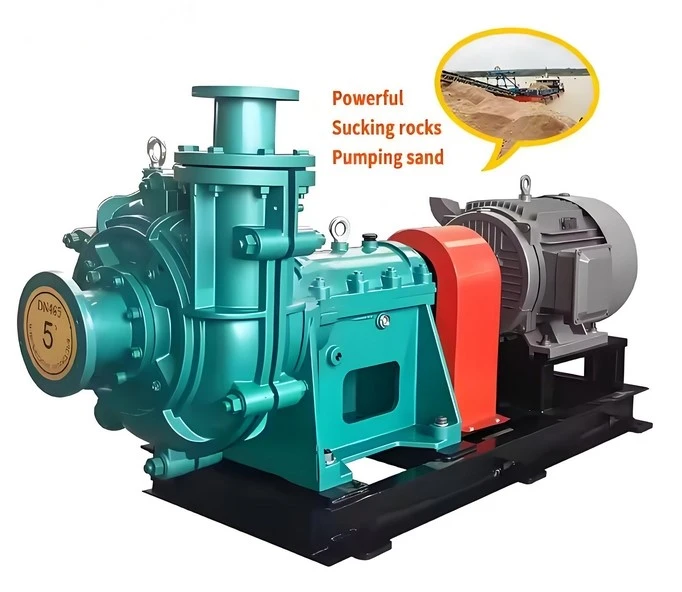

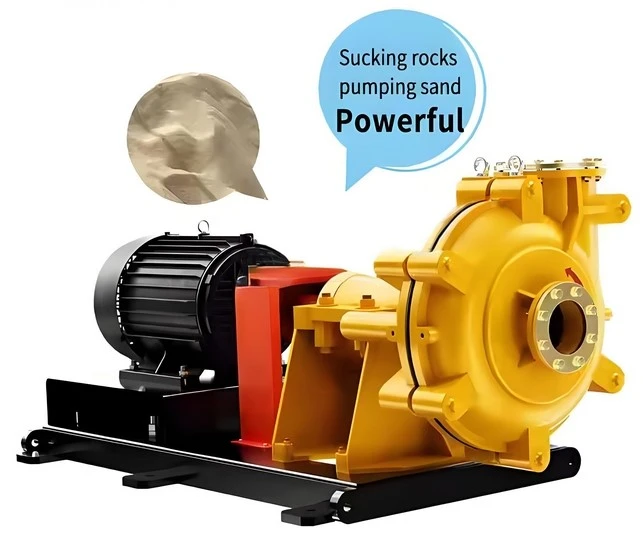

What's Inside One
This is where it gets important, because picking the wrong materials means short life and a lot of cussing.
Wet end materials come down to two main camps:
High-chrome white iron. Stuff like A05, A49, sometimes called Cr27 in the old literature. Hard as nails, holds up to coarse particles and higher temperatures.
Rubber-lined. Natural rubber, neoprene, polyurethane depending on the application. The rubber takes the hit and bounces back. Works great on fine particles in heavy concentrations.
Impeller. Usually closed, five vanes, sometimes fewer if you need bigger passages for chunky stuff. This is the part that wears the most, so it's designed to come out without a fight.
Casing. Tough outer shell with replaceable liners inside. Smart design - when stuff wears out, you swap the liners, not the whole casing. Saves real money over the life of the pump.
Shaft. Always thick. Always. Because as the impeller wears down it gets unbalanced, and a skinny shaft will whip around and tear up the seals. The pump makers figured this out the hard way decades ago.
Bearings. Heavy-duty cartridge type, greased usually. Built to take the radial load from a belt drive without complaint.
Shaft sealing. Three ways to skin this cat:
Packed gland with flush water. Old-school, works fine, but you're pouring clean water in there all day. Some operations don't have water to spare.
Expeller seal. Fancy way of saying centrifugal seal that pushes slurry back when the pump's running. No flush water needed when it's spinning. Great option where water is precious.
Mechanical seal. Clean, modern, expensive, finicky. Best if you've got environmental rules to follow or you're moving something you don't want leaking on the ground.
Slurry Mud Pump What Matters When You're Sizing One
Don't just stare at flow and head numbers like it's a water pump. You'll get burned. Things to actually consider:
Specific gravity of the slurry - heavier slurry means more horsepower at the shaft
How much solids by weight - 20%? 50%? 70%? Big difference
Particle size - the average AND the biggest chunks
What the particles are like - sharp quartz will eat a pump alive; rounded river sand is way easier on it
pH and temperature - picks your materials for you, usually
How much head you really need - and don't forget slurry has way more friction loss in the pipe than clean water does
How often it runs - continuous duty is easier on a pump than start-stop all day long
Biggest mistake I see all the time: somebody picks a pump that's perfect for the design point on paper. Then the plant actually starts up, the real conditions are different from the engineer's spreadsheet, and the pump runs way off its best efficiency point. Now it's wearing out three times faster than it should. Always leave yourself some breathing room.


Our address
2310 Cloud Center, Xiangyang North Street
Phone Number
0086 167 3312 5978
postmaster@jovidiapump.com

Hot Tags: slurry mud pump, China slurry mud pump manufacturers, Submersible Sand Dredging Pump, robust slurry pump, submersible slurry pump for lead mining, Hydraulic Submersible Slurry Pump, Stainless Steel Submersible Pump, multistage slurry pump