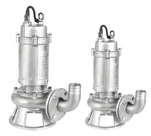
Improper use or operation of the slurry pump can easily lead to damage to its bearings. The main reasons for bearing damage in slurry pumps are as follows:

1. Poor Cooling of the Slurry Pump Bearing
Poor cooling can result in bearing damage. The causes of poor cooling include:
Fouling on the cooler tube walls, leading to poor heat transfer.
Insufficient cooling water flow or lack of cooling water.
Solutions:
Replace the scaled cooler promptly.
Regularly check whether the cooling water pressure and flow are adequate.
Ensure the cooling water pressure is generally maintained at 0.05-0.2 MPa.
Maintain a cooling water flow rate of 1-3 m³/h.
Start the cooling water system and adjust its pressure to the specified value before starting the slurry pump.
Regularly monitor the bearing temperature, which should be within the normal range of 35°C to 75°C.
2. Slurry or Water Contaminating the Oil Pool
Contamination of the oil pool can lead to bearing damage due to:
Seal failure caused by abrasion of the slurry pump packing, allowing slurry to leak along the shaft seal. The leaked slurry accumulates in the semicircular positioning hole between the bracket and the rear pump housing, eventually entering the oil pool.
Damage to the cooler, resulting in oil contamination.
Precautions:
Regularly inspect shaft seal water for leaks. If leakage increases, tighten the packing gland bolts, replace the packing, and replace any failed O-rings to prevent slurry infiltration.
Replace or repair damaged cooler joints.
3. Poor Lubrication
Improper lubrication caused by unclean oil, overfilling, or underfilling can lead to bearing damage:
Dust contamination or aging of lubricating oil.
Overfilling the bracket oil pool, which hinders heat dissipation from the bearing.
Underfilling, which results in inadequate lubrication, causing the oil film to rupture and the bearing to overheat.
Solutions:
Replace the lubricating oil with fresh oil after every 800 hours of operation.
Add lubricating oil in strict accordance with the instructions. The oil level should be within ±2 mm of the oil level line.
In cases of oil seal failure or oil leakage, replenish the oil promptly.
4. Blockage of the Slurry Pump Impeller Blade Channel
A blocked impeller channel causes the impeller to lose balance during operation, increasing unidirectional thrust. This imbalance leads to pump vibration and bearing damage.
Solution:
Clean the impeller blade passage promptly to restore balance.
5. Loose Foundation Bolts
Loose foundation bolts cause the pump to vibrate, resulting in radial forces that damage the bearing.
Precaution:
Regularly inspect and tighten the foundation bolts.
6. Improper Selection of Slurry Pump
Selecting a pump with an excessively high lift can create excessive axial forces, causing the bearing to overheat and wear prematurely.
Precaution:
Choose a slurry pump with specifications that match the system requirements to avoid excessive bearing stress.