Slurry Pump Safety Precautions
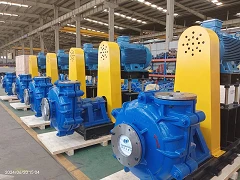
Slurry pump safety precautions refer to the essential safety measures that must be observed during the installation, operation, and maintenance of slurry pumps. To ensure safe production, reliable operation, and prevent equipment damage or personal injury, all operating procedures and safety regulations must be strictly followed.
The following safety precautions should be carefully observed when using a slurry pump.
1. General Safety Requirements
A pump is both a pressure-containing machine and a mechanically driven piece of equipment. All specified safety precautions must be followed before and during installation, operation, and maintenance.
Auxiliary equipment, such as electric motors, belt drives, couplings, gearboxes, and variable-speed drives, must also comply with the relevant safety requirements. Before installing, operating, or maintaining this equipment, always refer to the applicable operating and safety instructions.
2. Check the Rotation Direction Before Installation
Before installing the drive belts or couplings, always check the motor's rotation direction.
Incorrect rotation can cause the pump to operate improperly, resulting in damage to the pump or individual components.
Always ensure that the rotation direction matches the direction specified by the pump manufacturer before starting the equipment.
3. Do Not Operate the Pump Beyond Its Specified Operating Conditions
The pump must not be operated outside the operating conditions specified at the time of purchase without prior approval from qualified personnel.
Operating the pump beyond its specified limits may result in equipment failure, mechanical damage, or personal injury.
If changes to the operating conditions are required, consult the pump manufacturer or qualified technical personnel first.
4. Avoid Low-Flow and Zero-Flow Operation
The pump must not be operated at excessively low flow rates, zero flow, or under any other conditions that may cause the pumped medium to vaporize.
Such operating conditions may lead to cavitation, excessive pressure buildup, and other abnormal operating conditions, potentially resulting in equipment damage or personal injury.
Always ensure that the pump operates within its recommended operating range.
5. Ensure Proper Isolation During Maintenance and Pumping Operations
If a pump operates under vacuum conditions, it must be properly isolated during maintenance or other relevant operations.
If effective isolation cannot be guaranteed, the impeller may continue to rotate due to its inertia, acting like a flywheel. This can create serious safety hazards and potentially cause equipment damage or personal injury.
Always ensure that the pump is safely isolated and that all necessary safety procedures have been completed before carrying out maintenance work.
Important Note: Installation Drawings and Documentation
A complete set of installation drawings and technical documents should be available before installation.
These documents should include the liquid tank or sump, pump piping system, valves, control devices, and other related equipment.
Having complete and accurate installation drawings helps prevent incorrect installation, ensures proper system configuration, and avoids potential problems that could adversely affect pump performance and service life.
Conclusion
Safe operation is essential for ensuring the reliable performance and long service life of a slurry pump.
By following the manufacturer's safety instructions, checking the rotation direction, operating the pump within its specified range, avoiding abnormal operating conditions, and ensuring proper isolation during maintenance, users can effectively reduce operational risks and prevent unnecessary equipment damage.
Always prioritize safety when installing, operating, and maintaining slurry pumps.