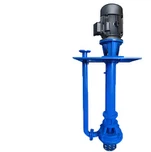
The head of a slurry pump is the increase in energy of a unit weight of liquid that is pumped by the pump from the pump inlet (pump inlet flange) to the pump outlet (pump outlet flange). That is, the effective energy that a Newtonian liquid gains through the pump. Its unit is N•m/N = m, which is the height of the liquid column pumped by the pump, and is conventionally referred to as meters.
The suction head of a slurry pump is the necessary net positive suction head: that is, the vacuum degree that the pump is allowed to suck liquid, that is, the installation height that the pump is allowed, expressed in meters.
Generally, a slurry pump does not have a suction head. Therefore, during the selection of a slurry pump, it is necessary to pay attention and understand the installation method of the customer and the specific situation on site. Ignoring to consider the allowable suction head of the slurry pump and causing the head to be too large will result in the pump drawing in little water or not being able to draw in water at all. In the case of absolute vacuum, the suction head of the pump is approximately 10 meters of water column height. However, the vacuum degree that can be established at the pump suction inlet is limited and cannot reach absolute vacuum. Excessive vacuum degree is likely to cause water vaporization in the pump, resulting in cavitation and being very unfavorable for the operation of the pump. Each centrifugal pump has its maximum allowable suction head, which needs to be determined according to the specific working conditions. When installing the pump, it is necessary to consider this, so that the pump can reach the optimal operating state. Ensure the normal operation of the entire system.