Determine the basic parameters
Flow rate: It refers to the volume of slurry that the pump delivers per unit time. It is usually determined according to the requirements of the production process, and the unit is typically cubic meters per hour (m³/h) or liters per second (L/s). The maximum flow rate requirement of the system and the possible fluctuation range should also be taken into consideration.
Head: It refers to the height to which the pump can lift the slurry, measured in meters (m). The required head needs to be calculated based on factors such as the vertical height of slurry transportation, pipeline resistance, inlet and outlet pressures, etc. Generally, it can be calculated using methods like Bernoulli's equation, and a certain safety margin should also be considered, usually ranging from 5% to 10%.
Consider the properties of the slurry.
Density: The density of the slurry will affect parameters such as the pump's head and power. The higher the density, the greater the power required by the pump. When selecting the pump type and motor power, it is necessary to choose the appropriate type based on the actual slurry density.
Viscosity: Slower-moving slurries have poor fluidity, which will increase the difficulty of pump transportation and energy consumption, and may lead to a decrease in the pump's flow rate and head. For high-viscosity slurries, a pump type with a larger impeller diameter and lower rotational speed should be selected to ensure the pump's performance.
Solid content: Slurry with high solid content is more abrasive to the pump, thus requiring the selection of pumps with wear-resistant properties. Generally speaking, the higher the solid content, the higher the material requirements for the flow components of the pump, such as using high-chromium cast iron, ceramics, etc. as wear-resistant materials.
Granularity: The size and shape of the solid particles in the slurry also affect the selection of the pump. When the particles are large or irregular in shape, they are prone to causing blockages and wear on the pump. In such cases, pumps with wide flow channels and large impeller clearances should be chosen, such as non-blocking slag slurry pumps.
Consider the working environment
Temperature: High-temperature slurry may cause the material properties of the pump to deteriorate and accelerate the aging of the seals. Therefore, it is necessary to select pump types and seal materials that are suitable for high-temperature environments. For example, use high-temperature-resistant mechanical seals and special bearing cooling systems.
Corrosiveness: If the slurry is corrosive, it will cause corrosion damage to the flow components of the pump. Therefore, materials that are resistant to corrosion, such as stainless steel and fluoroplastic, should be selected.
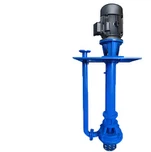
Installation location: If the pump needs to be installed in a confined space or in a place with specific requirements, the structural dimensions and installation method of the pump should be considered. For example, vertical slurry pumps are suitable for installation in locations with a lower liquid level, which can save floor space; horizontal slurry pumps are suitable for installation in places with larger space and convenient maintenance.
Consider the performance and quality of the pump
Efficiency: Efficiency is an important indicator for measuring the performance of a pump. A highly efficient pump can reduce energy consumption and lower operating costs. When selecting a pump, it is advisable to choose the type with higher efficiency near the operating point.
Reliability: Slurry pumps usually need to operate continuously for a long period of time, so they require high reliability and stability. Choosing well-known brands and pumps with reliable quality can reduce downtime due to failures and improve production efficiency.
Maintainability: To facilitate maintenance and repair, a pump type with a simple structure and convenient maintenance should be selected. For instance, the impellers and seals of some pumps are easy to disassemble and replace, which can reduce maintenance costs and time.
Other factors
Economy: This includes the purchase cost of the pump, installation cost, operation cost, and maintenance cost, etc. Under the premise of meeting the usage requirements, these factors should be comprehensively considered to select a pump type with high cost-effectiveness.
Supporting equipment: It is necessary to consider the compatibility of the slurry pump with other supporting equipment, such as the motor, reducer, pipeline system, etc. Ensure that the parameters of each equipment match and the connection methods are appropriate to guarantee the normal operation of the entire system.
After-sales service: Excellent after-sales service can provide users with timely technical support and maintenance guarantees.